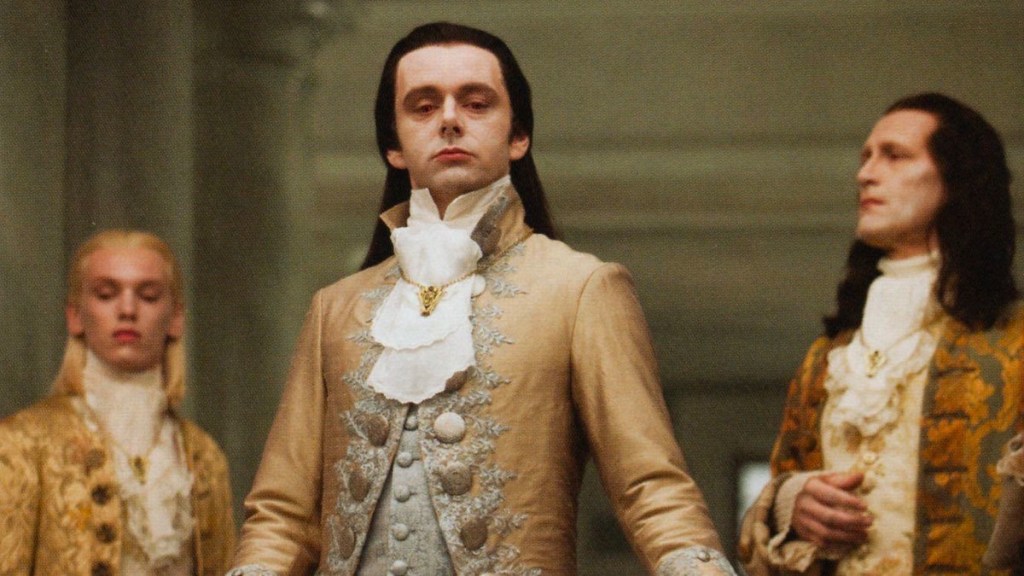
Dan Brown is a gangster. When I was waiting in the tiny waiting room at the hospital with my wife, you know the smaller waiting room with the bed and machines that go beep, you know the third waiting room after the intermediate waiting room which is after the first waiting room with all the plebs. We were in the waiting room that makes you feel like the characters from that Judgmental Volturi meme which is a screengrab from one of the Twilight films. In any case, I was reading Dan Brown’s latest novel called The Secret of Secrets. I can’t put it down. Each chapter ends on a cliff hanger and the book is so simple to read and it’s written like a script. Turns out it’s gonna be a show series sometime soon I hope. I don’t usually read novels like that but a person on social media recommended it because it was “trippy.” So I looked into what it was about and it has to do with human consciousness. Which is a topic I was really into back in the day when I was a pot head stoner degenerate loser. I loved watching video of a dude name Amit Goswami. A PhD Quantum physicist, bestselling author, and pioneer of Consciousness Studies. He says some absolutely outrageous stuff about consciousness and quantum thingamabobs and whatchamacallits. Anyways check out the Dan Brown book and some Amit videos. It’s time to start reading and watching more woo woo stuff. We need more woo in our lives.
Congratulations! You are now a new BJJ blue belt. I bet you’re thinking, “now what?”
I recently wrote a post where I go into detail about what I am expecting myself to do now that I have a blue belt. You can read that here.
Today I want to share with you a book I am reading. It’s about your jiu jitsu journey and what you should be focusing on now that you are a blue belt, and what you can expect while you move up the belt ranks in BJJ.
Some of you may be thinking “why would I read a book about JiuJitsu instead of watching YouTube videos?“ Well you could watch a bunch of YouTube videos, they certainly do help supplement and expand on techniques you may be learning at your Academy. But to me, the pace and depth of reading a book about jiu jitsu feels more refined and meaningful.
A note before we get into it: listen to your coach or head instructor, they are black belts for a reason, and you should trust their advice and wisdom above all else.
Okay that’s out of the way, let’s dive in!
The book I’ve been reading is called, Jiu Jitsu 201: From Blue to Black and Back to White by Ricardo.
Ricardo is a jiu Jitsu black belt and instructor, a Judo green belt, and an occasional Muay Thai enjoyer. His first book, White Belt Survival Guide, was a great companion for me during my first 6 months as a white belt, as it provided for me a framework for learning the martial art and expectations of what milestones I would go through. I recall the White Belt Survival Guide being way more in-depth than I was expecting, coming in at just under 100 pages. He discusses survival, mindset for training, the jiu jitsu funnel, the ups and downs of going through the white belt grind, and much more.
But today, I want to tell you about his second book. Jiu Jitsu 201 has been another great companion now that I’m a blue belt. I purchased it a day or two after getting promoted.
I’ll share some of the quotes I highlighted from the second book and provide a bit more detail about why I liked it or why I think the quote was important to me.
“For many people, the blue belt is a sobering reminder that you still don’t know much but somehow, you’re expected to be a level above. And though a lot of you may embrace the challenge, plenty of others see this as a major obstacle. They’ll inevitably quit or continue to go through the motions and hope they’ll stumble upon the next step eventually.”
When I was a white belt, I would always look up to the blue belts. I still do, the ones with stripes. They do have an aura of semi-mastery or ‘they know something I don’t and I want what they have.’ Now that I’m a new blue belt, I don’t feel like I have semi-mastery, far from it. It’s funny, when the spell goes away you actually feel like a white belt again, or a white-blue belt.
“You need to keep this in mind: What got you to your blue belt won’t necessarily get you to your purple belt.”
This was a smack to the head when I read that. Sobering. Felt like all the work I’ve already put in was some how for not. But then I realized, it’s not that I stop working on my defence or survival skills, it’s just that I need to make new goals around offence and refining my techniques while perusing my purple belt, at least that’s how I picture it.
“Moving forward, you’re going to find that your issues staying involved in jiu-jitsu for longevity isn’t limited to your training on the mats. Trust me when I tell you that life is going to get in the way of your journey and some people never make it back. You’re going to have to navigate the emotional issues of training, injuries, and challenges with your overall performance. You’re also going to have to deal with lifestyle changes such as diet, sleep and strength and conditioning in order to adopt a healthier lifestyle (if your goal is to be a better-than-mediocre black belt).”
Since quitting booze and pot, my lifestyle has changed for the better. Quitting booze and pot makes me better a jiu jitsu. I can’t imagine being hungover or stoned while rolling on the mats, not for me. I now have to be more focused on training smart and safe, I don’t want to have a serious injury keep me off the mats long enough that I might not come back, that freaks me out. And I’m well aware of the ups and downs that come with training, one week you are rolling great and feel like a brown belt, then the next week you feel like it’s your first training session and you wonder why you even keep doing this and get discouraged to the point of possibly quitting.
Not to mention eating well most of the time – I love chocolate and baked goods, so indulging is fine with me as long as it’s not everyday. Also, BJJ is great, but having a life outside of BJJ helps me put this whole martial arts journey into perspective: it’s just jiu jitsu.
“Regardless of what position you are in, in order to get a submission, you need to isolate a limb. In order to attack effectively, you’ll need to disrupt balance. In order to disrupt balance, you need to establish control. In order to establish control, you’ll need to have dominant grips. And so on.”
This part elaborated more on the “Jiu Jitsu Funnel” as he calls it. I understand the funnel as a sequence of most probable moves that will be used – offence or defence – and to anticipate which one of the moves in the funnel your opponent will attempt.
That way, you can almost ‘be a step or two ahead of them.’ Also, the more I concentrate on what I’m doing while I roll, the sooner I give my opponent time to make their move. But, the more I concentrate on what I am doing next, in the funnel, the less I will eventually have to think about it. It will eventually be ingrained into my mind and body and it will just happen, that’s the idea anyway. So I have to keep putting myself into positions that are hard for me so I can learn to anticipate what will happen next.
“Plenty of people think that getting to the blue belt means they’re all of a sudden advanced, but this isn’t the case. You may be better than most of the average population but, you’re by no means “advanced”. Fundamentals are still king. Now, more than ever, in a more advanced environment, you’ll need your fundamentals to be even more proficient and on point.”
Last Saturday was a great open mat for me. There was a visiting 3 stripe black belt. In between rounds, he put his hand up for someone to roll with, I obliged. After the roll, which I survived, he said I had good escapes, but I didn’t re-grip after escaping so he could just get control position again.
It was a great compliment and it was a heck of a learning experience for me (he sat on my shoulder for most of the roll which had only happened to me one other time when rolling with one of our academy’s black belts). Even though I have my blue belt now I have to remember my fundamentals, for example, if I want to escape a position, say like, side control, I need to create a frame, then create space, then hip escape, then re-guard. Keep it simple and keep it basic.
There are lots more other quotes I highlighted from the book, but these are the ones that first caught my attention. And I actually haven’t finished the book yet but wanted to share it with you as soon as I could because I’ve found lots of value in it so far.
Jiu Jitsu 201 is broken down into six parts :
Part 1 The Paradigm Shift
Part 2 The Principles of Attacking (this one is my favorite so far, just finished this section)
Part 3 The Purple Belt
Part 4 Training and Lifestyle Design
Part 5 Injuries and Advanced Longevity
Part 6 The Road Out of Hell
Jiu jitsu 201 has a simple format and is not difficult to read. I read some of the book and then put it down and thought about a section for a while, then I’d pick up the book again and I’d think about it for a while again. It’s one of those books that you probably shouldn’t read all at once, but really take time to digest sections that matter most to you, and then come back to it when you’re ready.
Like I said at the beginning, listen to your coach or head instructors. They know what’s best for you (unless you’re in a cult), so I would suggest you defer to their wisdom and knowledge, because they are professionals for a reason.
However, Jujitsu 201 is a must have companion, in addition to your coaches wisdom and your weekly training regime, that will help you have the edge against your opponents and will help you on your road to becoming a black belt.
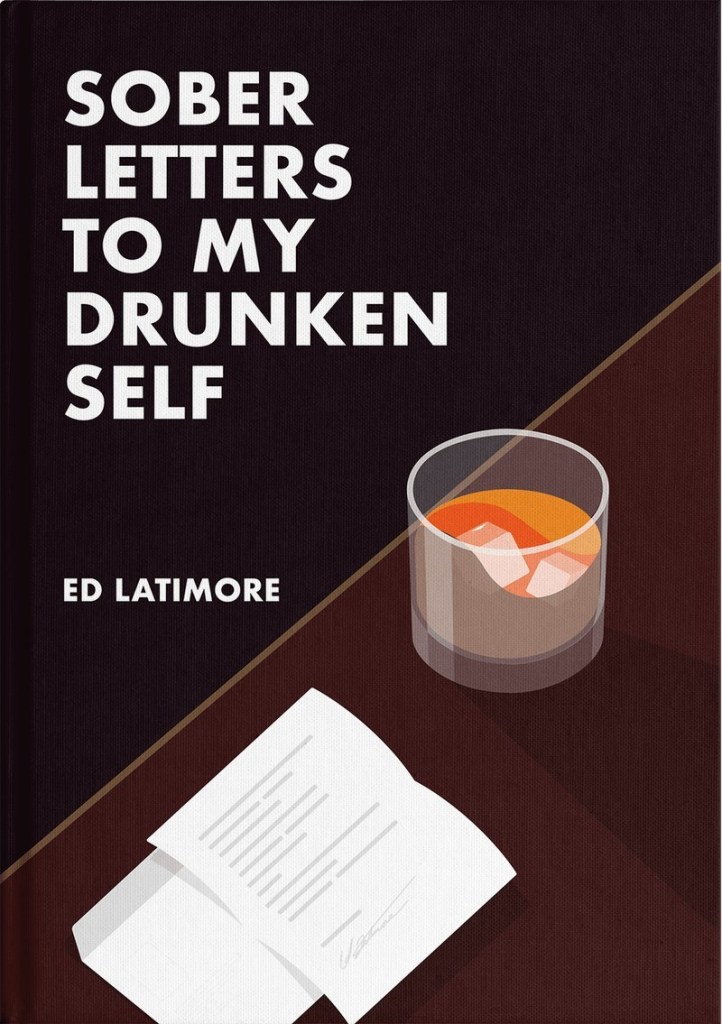
For the first few months of not drinking, it was quite tough. But Ed’s book was there, on my phone in my pocket, ready when I needed some sober words to clarify my sober thoughts.
The book deals with: -the uncertainty of quitting booze -the peer pressure to drink again -the simple step in admitting you have a problem with booze -and the internal and external positive effects quitting alcohol will have on your relationships with the people you love.
And there is much more inside the book.
Here are some of the Kindle highlights I made throughout Ed’s book:
“A great challenge you’ll face is having the courage to say you no longer want to drink.” (p.11)
“You saw the end result of continued heavy drinking and decided that you don’t want to be there. It’s natural to think it’s going to be easy to abstain from alcohol, but when things are going well you will forget how bad they can become.” (p. 11)
“Impatience, weakness, and aversion to change are the worst enemies of sobriety. The only way to conquer them and enjoy a sober life is by slowing down, staying strong, being willing to change, and taking things one day at a time.” (p. 43)
“When I first stopped drinking, I counted the days. After 30 days passed, I counted the months. After 12 months, I counted the years.” (p. 43)
I also found myself counting the days, weeks, months, and now year and a half.
I recommend this book if you are ready to quite alcohol but you’re not sure where to start or who to talk to. Ed’s book, Sober Letters To My Drunken Self – is a conversation with a friend who gives it to you straight and doesn’t shame you for quitting booze.
This book however, should not be your only tool for dealing with addiction. It can be tough, but if you can muster the courage (I know you can!) – call your local help-phone-line if you suspect you or a loved one is suffering from addiciton, alcohol abuse, or alcoholism.
“The thing that drove you to drink can also drive you to greatness.” -Ed Latimore


 There and Back